Wing Chun at Shadow Arts

Wing Chun

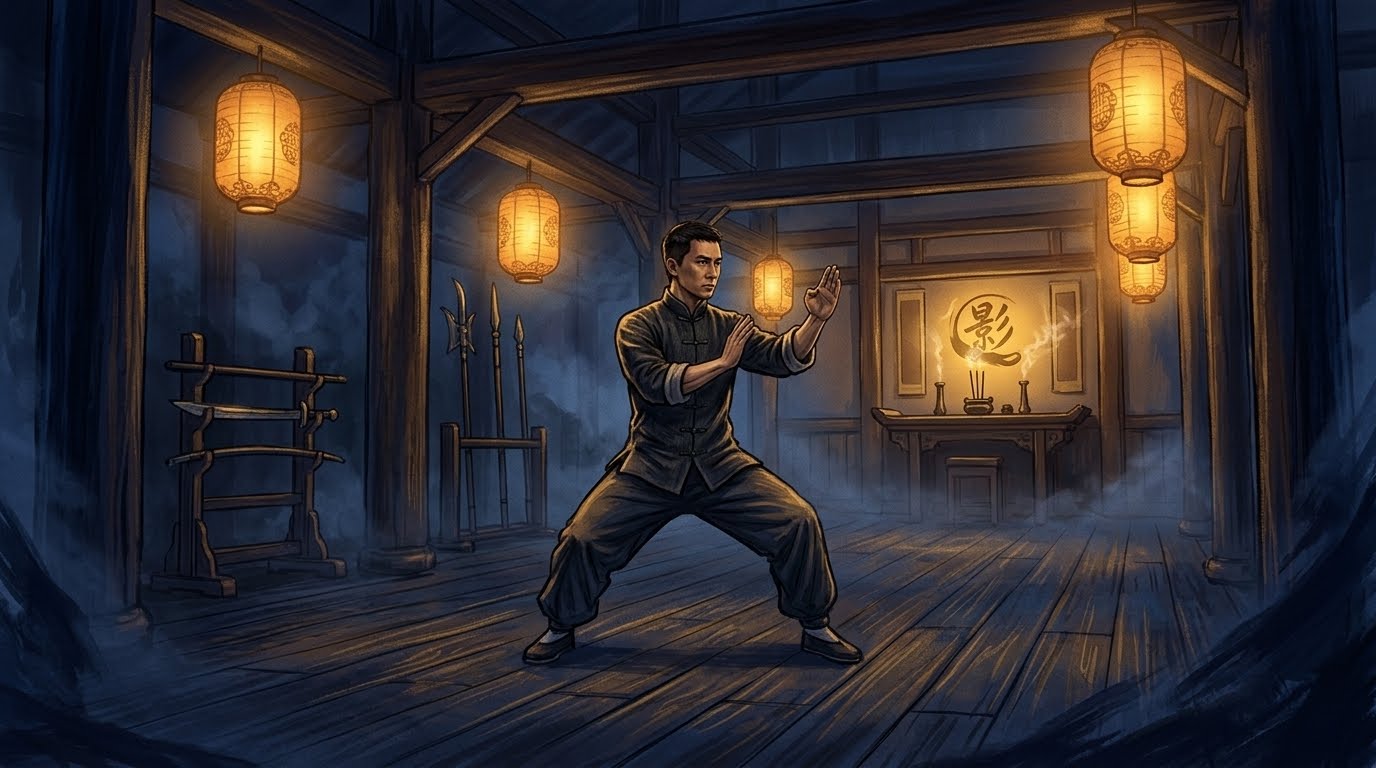
 A close-range martial art built on structure, sensitivity and economy of motion.

詠

春

拳

One Art, Many Lineages

Wing Chun has been passed down through many lineages, each with its own forms, drills and teaching methods. Across these traditions, four principles help explain what gives the art its character.

The Core of Wing Chun

Four principles guide how we practise Wing Chun at Shadow Arts.
Structure over Muscle

Use skeletal alignment, relaxation, and forward intent rather than brute strength.

Sensitivity(Chi Sau)

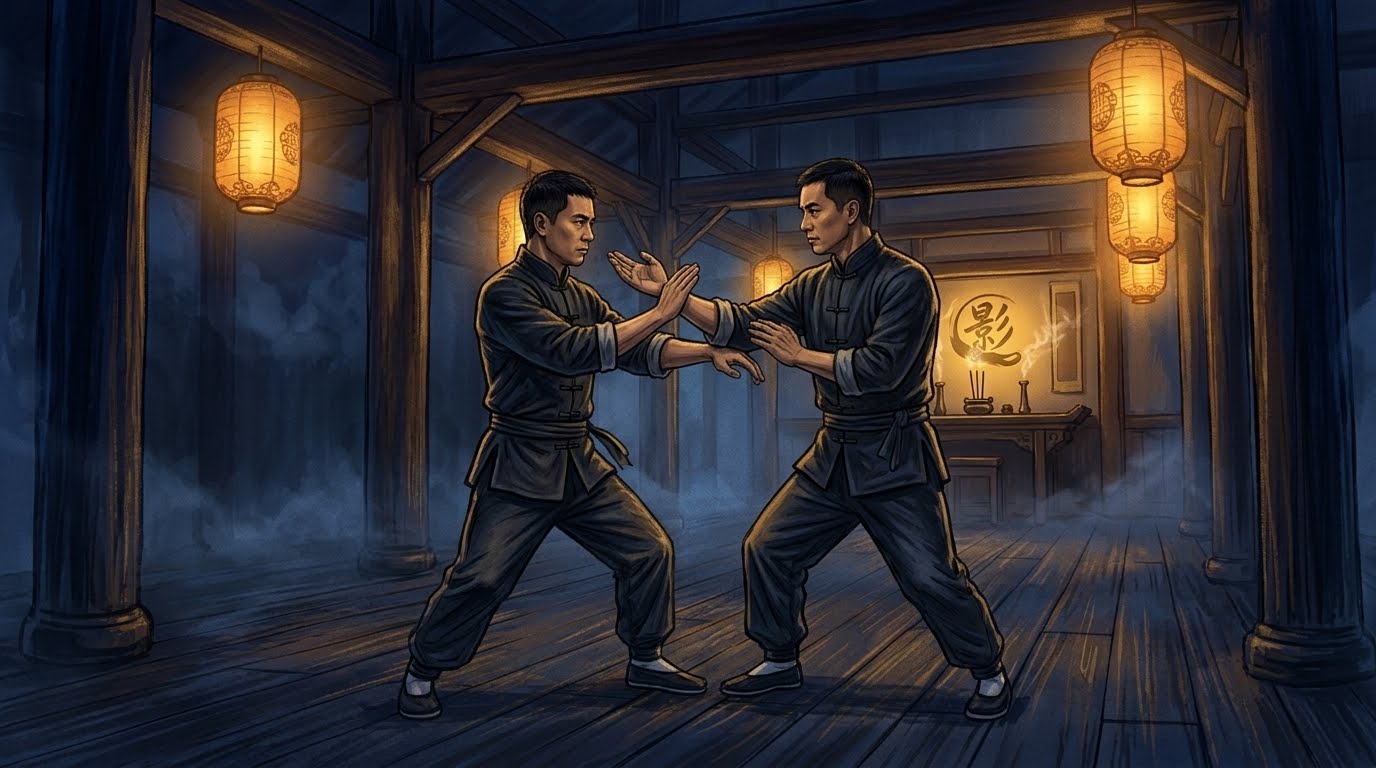
Feel, redirect, and control an opponent’s force the moment contact is made.

Centerline Control

Defend your center while attacking along the shortest, most direct line.

Simultaneous Action

Unite defense and counterattack in a single, seamless movement.

Explore the System

Four principles guide how we practise Wing Chun at Shadow Arts.

HISTORY & LINEAGES

From the Southern Chinese Red Boats and the Five Elders to Foshan, Hong Kong, Vietnam, and Seattle — explore the roots of all Wing Chun lineages.

FORMS & SAN SIK

From the original 108-move Siu Lin Tao and the three classical forms to the 8 Kicks and Dr. Leung Jan’s 108/116 loose San Sik techniques.

TRAINING & METHODS

Bridge the gap from tactile sensitivity drills (Chi Sau and Huen Sau) to free, unscripted combat application (Lat Sau and sparring).

WOODEN DUMMY & WEAPONS

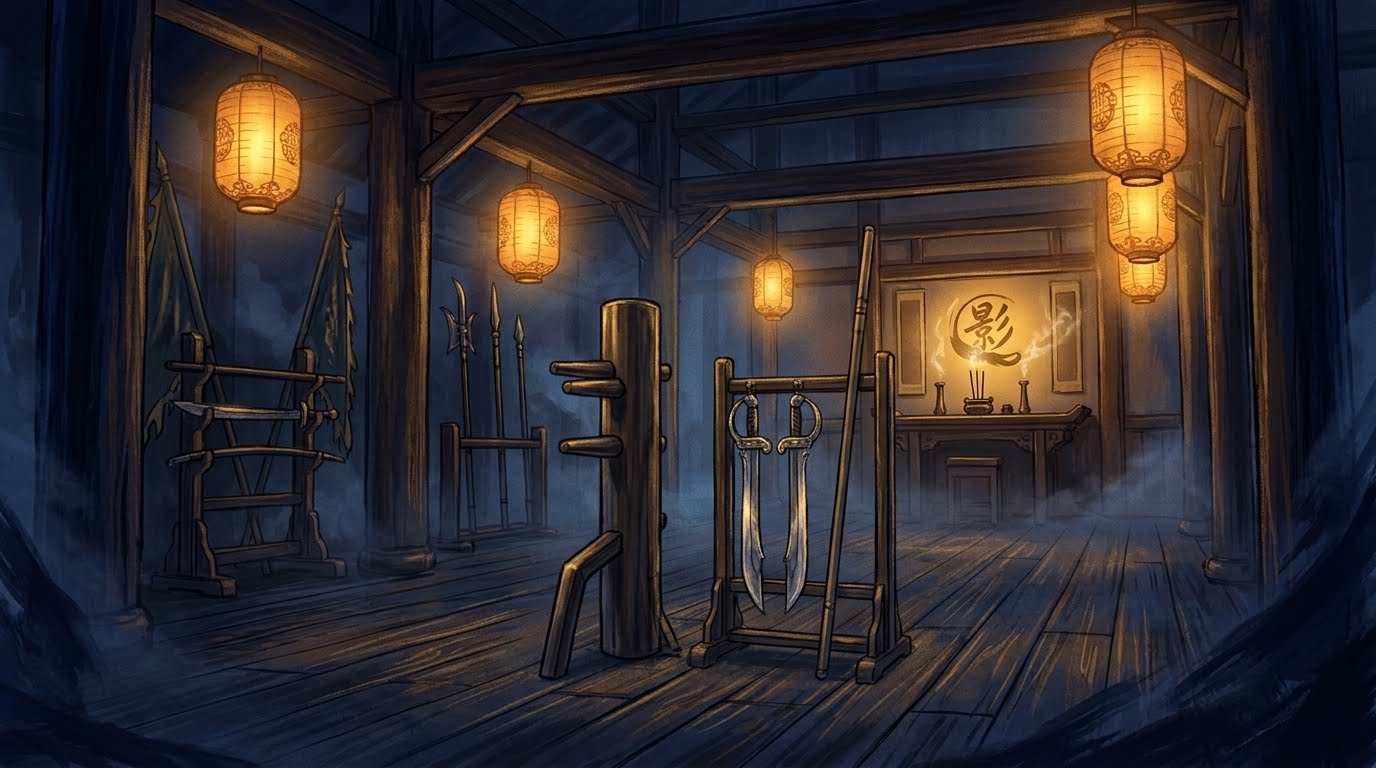
Sharpen angles, structural precision, and whole-body power with the Muk Yan Jong, Butterfly Swords, and Six-and-a-Half Point Pole.